The clerk asked Suri to remove her support frame for the photograph.
"It obscures your face."
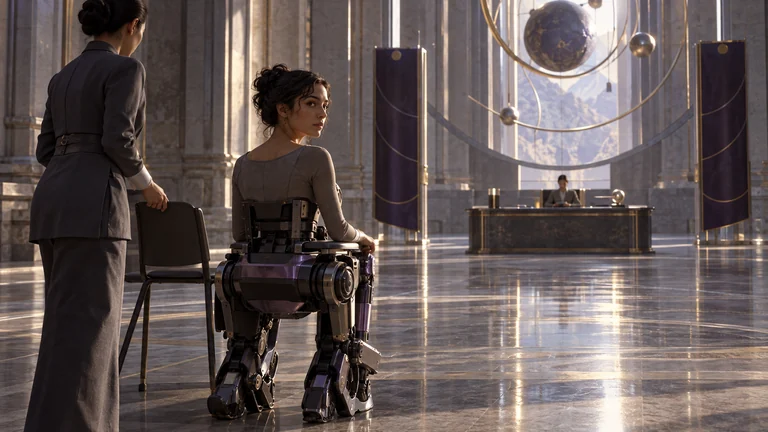
The frame ended below her collarbone. Suri looked at the diagram beside the camera: an unsupported body, feet together, shoulders square beneath the seal of Earth.
"I can't stand here without it."
"Then we'll take the photograph after the oath."
She'd been born in a mining settlement where gravity was less than a quarter of Earth's. Her bones had grown for that world. So had her heart. Coming down to the planet felt like carrying three other people inside her clothes.
The frame distributed her weight and powered each movement. It had taken six years to save for the journey and the equipment rental. Citizenship would give her daughter access to the planet's universities without a corporate training contract attached.
Eight steps across a ceremonial floor stood between them and that possibility.
The requirement predated the outer settlements. Applicants had to approach the registrar unaided and speak the oath standing. People born on Earth could apply for medical accommodations. Settlement-born applicants were told their bodies represented an adaptation, not an impairment. The distinction appeared in every refusal letter Suri had received.
She had brought the letters. The registrar said they weren't relevant to the ceremony.
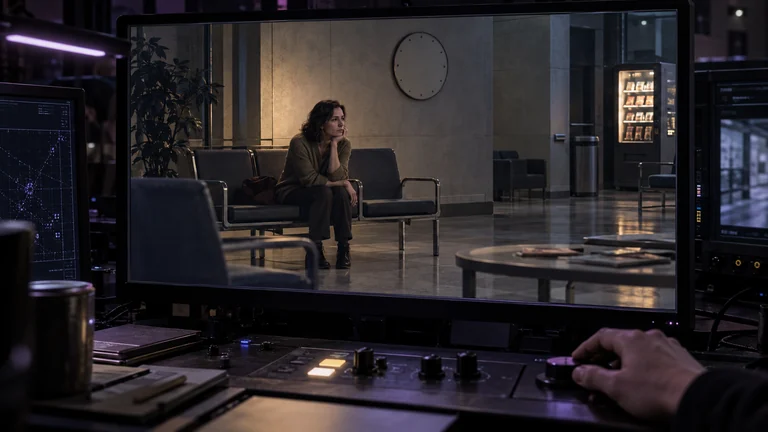
In the waiting room, the gravity had been reduced for visiting families. Her daughter Ema sat there with a hired attendant, practicing the name of the university she wanted to attend. In the ceremony room, Earth pulled at Suri with its full weight.
The registrar looked at the clock.
"We can reschedule."
Her visitor authorization expired in two days. The next ceremony was in six months. She could return to the settlement and begin saving again, provided the mining company renewed her contract. Provided the rental agency didn't charge for the months she'd spent waiting.
She asked for a chair beside the start of the ceremonial path.
The clerk brought one. He helped her release the frame. His hands were gentle; he'd done this before.
Without the support, her arms sank into her lap. Her head felt too heavy for her neck. She breathed slowly, as she'd practiced during the short gravity exposures on the descent ship.
"Ready?" the registrar asked.
Suri stood.
The first step was smaller than she'd intended. The second sent pain from her ankle into her hip. She kept looking at the desk. It was ordinary furniture. On the settlement she could have moved it herself.
At the third step she stopped.
The registrar waited. The clerk held the support frame close enough for her to reach if she turned back.
"You don't have to," he whispered.
Suri thought about Ema signing the same twenty-year company agreement she'd signed at sixteen. The contract paid for education, transport and a room, all repayable if the worker left. She'd spent her adult life becoming expensive to herself.
She took another step.
Something gave in her left foot. She felt the shape of the floor through a part of it that shouldn't have been touching the ground.
"Are you injured?" the clerk asked.
"I can continue."
The registrar made a mark on the form.
Suri completed the last four steps by moving one foot far enough to let the other follow. At the desk she gripped the air, careful not to touch the edge. Assistance would invalidate the attempt.
She spoke the oath.
Halfway through, she forgot a sentence she'd practiced for months. The registrar prompted her. That kind of assistance was permitted.
When she finished, he congratulated her and told the clerk to bring the frame.
It was too late to prevent the fall.
Her knee folded before the support reached her. She struck the floor on one side and heard a sharp sound beneath her shoulder. The clerk knelt, holding her head while the registrar called medical services.
Ema came from the waiting room. The attendant carried her across the full-gravity floor. She reached for Suri, but the clerk asked her not to touch until they knew where the injuries were.
"Did you do it?" Ema asked.
Suri couldn't answer through the pain.
The registrar assured her daughter that the application was successful. Suri had completed every requirement. Her citizenship was effective immediately.
At the clinic, they stabilized the fractures and put her in a reduced-gravity ward. Nobody could tell her yet whether she would regain her previous mobility. The citizenship office sent the document by courier because she couldn't return for the photograph.
It contained a still from the ceremony recording.
Suri stood at the registrar's desk, chin raised, lips parted around the oath. The camera angle hid her damaged foot. It made her look almost proud.
Ema placed the document beside the bed. She'd stopped practicing the university's name. Now she was reading the hospital's instructions aloud, making lists of what her mother would need.
Suri asked her to bring the support frame closer.
The clerk had returned it with its fittings carefully wrapped. Inside the bundle was a handwritten note: I'm sorry.
She folded the note and put it behind the citizenship document. Ema was still reading aloud. Suri asked her to stop for a while and come closer, where she could hear her without having to lift her head.